Stem Cell Therapy: A Revolutionary Approach to Regenerative Medicine
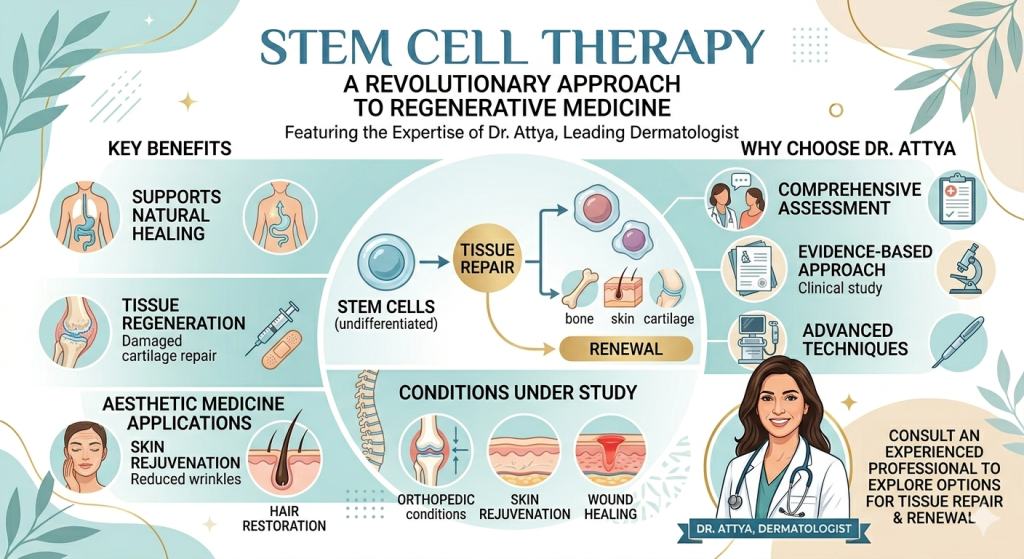
Modern medicine continues to evolve, offering innovative treatments that help the body heal and regenerate naturally. Among the most promising advancements in healthcare is stem cell therapy, a cutting-edge treatment that has gained significant attention for its potential in regenerative medicine, aesthetic procedures, and tissue repair.
Stem cell therapy utilizes the body’s natural healing mechanisms to support the repair and regeneration of damaged tissues. As research in this field continues to expand, stem cell-based treatments are becoming increasingly popular among individuals seeking advanced solutions for various medical and cosmetic concerns.
If you are considering stem cell therapy, consulting an experienced medical professional is essential. Dr. Attya, a highly respected dermatologist and aesthetic specialist, is known for her expertise in advanced regenerative treatments and personalized patient care. Her commitment to safety, innovation, and evidence-based medicine makes her a trusted choice for patients exploring stem cell therapy options.
What Is Stem Cell Therapy?
Stem cells are unique cells within the body that have the remarkable ability to develop into different types of specialized cells. Unlike ordinary cells, stem cells can divide, renew themselves, and support the repair of damaged tissues.
Stem cell therapy involves the use of these regenerative cells to promote healing, tissue repair, and cellular regeneration. The treatment aims to support the body’s natural recovery processes and enhance overall tissue function.
Researchers continue to investigate the potential applications of stem cell therapy in various medical fields, including orthopedics, dermatology, wound healing, regenerative medicine, and aesthetic treatments.
How Does Stem Cell Therapy Work?
The primary goal of stem cell therapy is to harness the regenerative capabilities of stem cells. Once introduced into a targeted area, these cells may help support tissue repair, reduce inflammation, and stimulate cellular renewal.
The treatment process generally involves:
- Comprehensive patient evaluation
- Assessment of treatment goals
- Collection or preparation of regenerative materials when applicable
- Administration of the therapy under controlled conditions
- Follow-up monitoring and progress assessment
The exact procedure varies depending on the condition being addressed and the type of stem cell treatment being utilized.
Benefits of Stem Cell Therapy
Stem cell therapy has generated significant interest because of its potential regenerative properties. While results vary among individuals, some commonly reported benefits include:
Supports Natural Healing
One of the most attractive aspects of stem cell therapy is its ability to support the body’s own healing mechanisms rather than simply addressing symptoms.
Tissue Regeneration
Stem cells may contribute to the repair and regeneration of damaged tissues, making them a valuable area of research in modern medicine.
Minimally Invasive Approach
Many stem cell-based procedures are minimally invasive compared to traditional surgical interventions, potentially resulting in shorter recovery periods.
Enhanced Cellular Function
Stem cells may help improve cellular activity and support healthier tissue function in targeted areas.
Potential Aesthetic Benefits
In aesthetic medicine, stem cell therapy is being explored for skin rejuvenation, anti-aging treatments, and improving overall skin quality.
Stem Cell Therapy in Aesthetic Medicine
One of the fastest-growing applications of stem cell therapy is in cosmetic and aesthetic treatments. Patients increasingly seek non-surgical procedures that promote natural-looking improvements.
Skin Rejuvenation
Stem cell-based treatments may help improve:
- Skin texture
- Skin elasticity
- Overall skin appearance
- Fine lines and wrinkles
- Signs of aging
By supporting collagen production and cellular renewal, stem cell therapy may contribute to healthier and more youthful-looking skin.
Hair Restoration
Stem cell therapy is also being explored as a supportive treatment for hair restoration. Some regenerative approaches aim to improve scalp health and support hair follicle function.
Scar Improvement
Regenerative treatments may assist in improving the appearance of certain scars by encouraging tissue remodeling and skin renewal.
Why Choose Dr. Attya for Stem Cell Therapy?
When considering advanced regenerative treatments, selecting a qualified and experienced practitioner is critical. Dr. Attya is recognized for her expertise in dermatology and aesthetic medicine, offering patients personalized treatment plans based on their individual needs and goals.
Comprehensive Patient Assessment
Every patient is unique. Dr. Attya performs thorough consultations to determine whether regenerative therapies may be suitable and beneficial for each individual’s concerns.
Evidence-Based Approach
Dr. Attya emphasizes scientifically supported treatments and patient safety. Her recommendations are based on current medical knowledge, ensuring patients receive professional guidance throughout their treatment journey.
Advanced Treatment Techniques
Modern regenerative medicine requires precision, expertise, and attention to detail. Dr. Attya utilizes advanced techniques designed to maximize patient comfort and treatment effectiveness.
Personalized Care
Patients appreciate Dr. Attya’s patient-centered approach, which focuses on education, realistic expectations, and individualized treatment strategies.
Conditions Being Studied for Stem Cell Therapy
Stem cell research continues to explore potential applications across multiple medical specialties. Areas of ongoing investigation include:
- Orthopedic conditions
- Joint health support
- Sports injuries
- Tissue regeneration
- Skin rejuvenation
- Hair restoration
- Wound healing
- Age-related tissue changes
It is important to understand that not all uses of stem cell therapy are universally approved or supported by conclusive clinical evidence. Patients should always discuss available treatment options with a qualified healthcare provider.
Who May Be a Candidate for Stem Cell Therapy?
Suitability for stem cell therapy depends on several factors, including:
- Overall health status
- Medical history
- Treatment goals
- Specific condition being addressed
- Individual expectations
A comprehensive consultation with Dr. Attya can help determine whether regenerative treatment options align with your personal healthcare objectives.
What to Expect During Treatment
The treatment experience varies depending on the specific procedure being performed. Generally, patients can expect:
Initial Consultation
A detailed assessment is conducted to review medical history, symptoms, concerns, and desired outcomes.
Treatment Planning
An individualized treatment plan is developed based on the patient’s unique needs.
Procedure
The therapy is administered using carefully controlled techniques designed to maximize safety and effectiveness.
Follow-Up Care
Regular follow-up appointments allow treatment progress to be monitored and adjusted as necessary.
Safety Considerations
Stem cell therapy should always be performed under the supervision of qualified medical professionals. Safety remains a top priority throughout the treatment process.
Patients should:
- Choose reputable clinics
- Verify practitioner qualifications
- Discuss risks and benefits thoroughly
- Understand realistic expectations
- Follow all pre- and post-treatment instructions
Dr. Attya prioritizes patient safety and transparency, ensuring that individuals receive comprehensive information before proceeding with treatment.
Common Myths About Stem Cell Therapy
Myth 1: Stem Cell Therapy Is a Miracle Cure
While stem cell therapy is a promising area of medicine, it is not a guaranteed cure for every condition. Results vary among individuals, and ongoing research continues to evaluate its full potential.
Myth 2: Results Are Immediate
Regenerative processes take time. Many patients notice gradual improvements over weeks or months as healing and tissue repair occur.
Myth 3: Everyone Is a Candidate
Not all patients may be suitable candidates for stem cell therapy. Proper medical evaluation is necessary to determine eligibility.
Myth 4: All Stem Cell Treatments Are the Same
Different types of stem cell therapies exist, and treatment approaches vary depending on the medical condition and clinical objectives.
The Future of Stem Cell Therapy
Stem cell research represents one of the most exciting frontiers in modern medicine. Scientists and healthcare professionals continue to explore innovative ways to harness regenerative cells for improved healing and tissue repair.
As technology advances and clinical evidence grows, stem cell therapy may play an increasingly important role in healthcare, aesthetic medicine, and regenerative treatments.
Patients interested in these cutting-edge therapies should seek guidance from experienced professionals who understand both the opportunities and limitations of regenerative medicine.
Conclusion
Stem cell therapy has emerged as a promising advancement in regenerative medicine, offering innovative possibilities for tissue repair, skin rejuvenation, and overall cellular health. By supporting the body’s natural healing processes, this treatment continues to attract interest from both medical professionals and patients seeking modern therapeutic solutions.
Choosing an experienced practitioner is essential for achieving safe and effective outcomes. Dr. Attya is recognized for her expertise in dermatology, aesthetic medicine, and patient-centered care. Through personalized consultations, evidence-based treatment recommendations, and advanced techniques, she helps patients explore regenerative therapies with confidence and realistic expectations.
If you are interested in learning more about stem cell therapy and whether it may be appropriate for your needs, consulting with Dr. Attya can be an important first step toward understanding your options and developing a tailored treatment plan.


