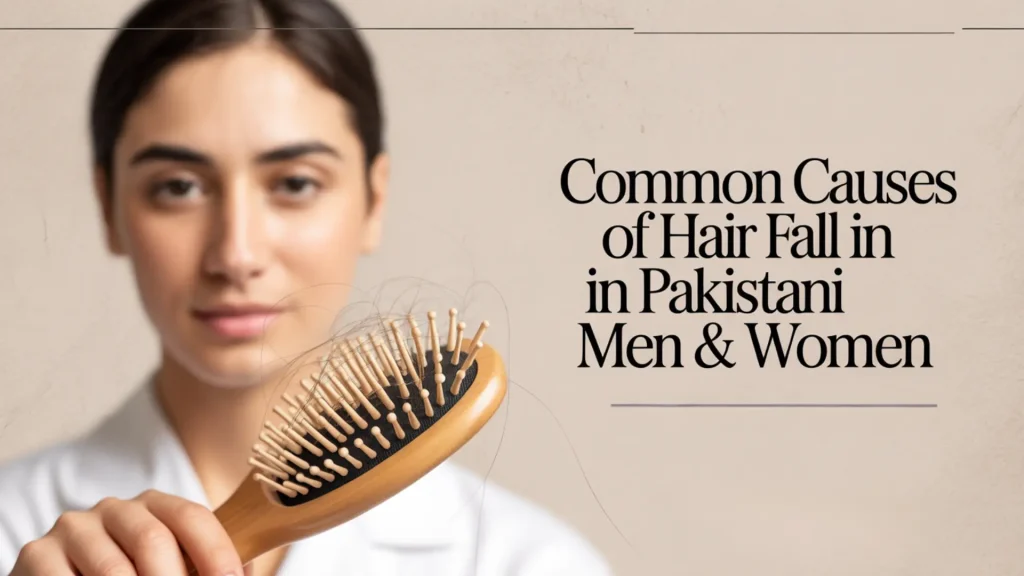
Common Causes of Hair Fall in Pakistani Men & Women
Hair is not just a part of our appearance—it is a reflection of health, lifestyle, and overall well-being. Unfortunately, hair fall has become a common concern among both Pakistani men and women. Stressful lifestyles, pollution, and dietary imbalances are some of the many factors contributing to this problem. Understanding the causes of hair fall is the first step toward preventing it and maintaining healthy, strong hair. In this article, we will discuss the most common reasons behind hair loss in Pakistan and ways to manage it effectively.
1. Hormonal Imbalances
Hormonal changes are one of the leading causes of hair fall in both men and women. In women, fluctuations during pregnancy, menopause, or polycystic ovary syndrome (PCOS) can trigger significant hair loss. Men, on the other hand, often experience hair thinning due to an increase in dihydrotestosterone (DHT), a derivative of testosterone, which weakens hair follicles over time. Hormonal imbalance can also result from thyroid disorders, which are increasingly common in Pakistan due to nutritional deficiencies and lifestyle factors.
2. Nutritional Deficiencies
A poor diet lacking essential vitamins and minerals can directly affect hair growth. Protein, iron, zinc, and vitamins like B12, D, and E are crucial for healthy hair. In Pakistan, diets high in processed foods and low in fresh fruits and vegetables often lead to deficiencies that contribute to hair fall. Ensuring a balanced diet or consulting a nutritionist can help improve hair health naturally. For personalized advice, you can check our Nutrition & Hair Care Tips for Pakistani diets.
3. Stress and Lifestyle Factors
Modern life in Pakistan, especially in urban cities like Karachi, Lahore, and Islamabad, is fast-paced and stressful. Work pressure, long commutes, and lack of sleep can increase cortisol levels, which negatively impact hair growth. Chronic stress can push hair follicles into a resting phase, leading to excessive shedding. Incorporating stress-relieving activities such as yoga, meditation, and regular exercise can significantly reduce hair fall over time.
4. Genetic Factors
Genetics play a vital role in hair loss patterns. Male pattern baldness and female pattern hair thinning are hereditary conditions that often run in families. Men may notice receding hairlines or thinning at the crown, while women may experience diffuse thinning across the scalp. While genetics cannot be changed, early intervention with treatments such as topical minoxidil or consulting a dermatologist can slow down the progression of hair loss.
5. Hair Care Habits
Incorrect hair care routines contribute significantly to hair fall. Frequent use of chemical-laden shampoos, harsh conditioners, and hair styling products can damage hair shafts and follicles. Heat styling tools, such as straighteners and curling irons, are popular among Pakistani youth but can weaken hair and increase breakage. Simple habits like using mild shampoos, avoiding daily heat styling, and gentle brushing can help maintain healthy hair.
6. Scalp Conditions
Scalp health is often overlooked, yet it plays a crucial role in hair growth. Conditions like dandruff, fungal infections, and seborrheic dermatitis can disrupt hair follicles and lead to hair fall. In Pakistan, humidity and pollution often aggravate these conditions. Regular scalp cleansing, proper hydration, and consultation with a dermatologist can prevent scalp-related hair loss. Learn more about Scalp Care Solutions for maintaining a healthy scalp.
7. Medical Conditions and Medications
Certain medical conditions can trigger hair loss, including diabetes, autoimmune disorders like alopecia areata, and severe infections. Medications for blood pressure, cholesterol, and chemotherapy drugs may also lead to temporary or permanent hair fall. If hair loss is sudden or severe, it is crucial to seek medical advice to identify underlying conditions and take corrective measures.
8. Environmental Factors
Pakistan’s urban centers face high levels of pollution, which can negatively affect hair health. Dust, smoke, and environmental toxins weaken hair follicles, leading to thinning and breakage. Additionally, excessive sun exposure damages hair protein, causing dryness and split ends. Protective measures such as wearing scarves, hats, and using UV-protection hair products can help minimize environmental damage.
9. Hormonal Imbalances in Women
Women in Pakistan often experience hair fall due to hormonal disruptions caused by irregular menstrual cycles, pregnancy, or menopause. Polycystic ovary syndrome (PCOS) is a common hormonal disorder that leads to excessive shedding and thinning of hair. Consulting a gynecologist or dermatologist for hormonal testing can help women identify the root cause and receive suitable treatment.
10. Lifestyle and Diet Tips for Preventing Hair Fall
To prevent hair fall, a combination of healthy diet, proper hair care, and lifestyle adjustments is essential. Include protein-rich foods such as eggs, fish, and legumes in your diet. Ensure you get vitamins from fresh fruits and leafy vegetables. Reduce stress through yoga, meditation, and sufficient sleep. Avoid harsh chemical treatments, and consider natural oils like coconut or argan oil for nourishment. Regular scalp massages improve blood circulation and promote hair growth.
Conclusion
Hair fall is a widespread concern among Pakistani men and women, but understanding the underlying causes can make it manageable. Hormonal imbalances, nutritional deficiencies, genetics, stress, scalp conditions, and environmental factors are the most common triggers. With proper care, early intervention, and professional guidance, it is possible to maintain healthy, strong hair.For personalized treatment and expert advice, Dr. Attiya Skin Matters offers customized hair care solutions for all hair types and conditions in Pakistan. Addressing hair fall early can save you from long-term thinning and improve overall hair health.
Explore More:


