Chemical Peels in Rawalpindi: Benefits, Types, Procedure and Aftercare
Uneven skin tone, dullness, rough texture and certain pigmentation concerns are common reasons people explore professional skin treatments.
Chemical peels in Rawalpindi may be an option for selected patients depending on their skin type and specific concern.
What Is a Chemical Peel?
A chemical peel involves applying a carefully selected chemical solution to the skin.
The solution causes controlled exfoliation of the skin’s outer layers.
The depth and intensity of a peel depend on the ingredients, concentration and treatment protocol.
What Can Chemical Peels Help With?
Depending on the type of peel, treatment may be considered for:
- Uneven skin tone
- Certain pigmentation concerns
- Some acne-related concerns
- Dull-looking skin
- Rough texture
- Certain fine lines
- Superficial skin imperfections
Not every peel is suitable for every concern.
Why Is Professional Assessment Important?
Skin type, pigmentation tendency and current skin condition all matter.
This is especially important for people who are prone to pigmentation after inflammation.
Before treatment, your skincare professional may consider:
- Skin type
- Skin tone
- Current pigmentation
- Acne activity
- Previous treatments
- Current skincare products
- Medical history
What Happens During a Chemical Peel?
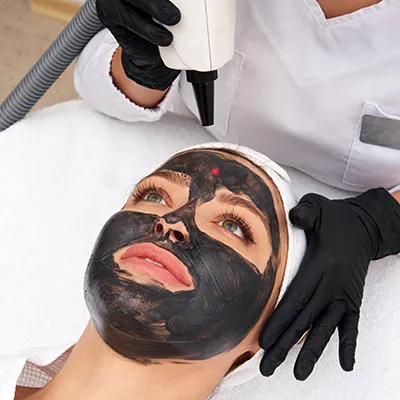
The skin is first cleansed and prepared.
The selected peel solution is then carefully applied.
Depending on the type of peel, you may experience:
- Tingling
- Warmth
- Mild burning
- Temporary redness
Some peels can cause visible peeling or flaking during the days following treatment.
Chemical Peel Aftercare
After a peel, your skin may be temporarily more sensitive.
Your provider may recommend:
- Gentle cleansing
- Moisturizer
- Sunscreen
- Avoiding excessive sun exposure
- Avoiding harsh exfoliation
- Temporarily stopping certain active skincare products
Do not pick or pull peeling skin.
Can You Do Chemical Peels at Home?
Some home skincare products contain exfoliating acids.
However, stronger chemical peels can cause burns, irritation and pigmentation changes if used incorrectly.
Professional peels should be selected according to your skin type and treatment goals.
How Many Sessions Do You Need?
There is no fixed number of treatments.
Some patients may benefit from a single treatment, while others may require a series of treatments.
The recommended schedule depends on your skin and the type of peel.
Who May Not Be a Suitable Candidate?
A professional should assess people with:
- Active skin infections
- Significant irritation
- Recent aggressive cosmetic procedures
- Certain medications
- A history of abnormal healing
Always disclose your skincare and medical history before treatment.
Frequently Asked Questions
Are chemical peels painful?
Some patients experience tingling or warmth during treatment. The sensation depends on the type and strength of the peel.
Can chemical peels help pigmentation?
Certain peels may help improve selected pigmentation concerns, but the appropriate peel depends on the cause.
How long does peeling last?
This depends on the type and depth of the peel.
Can I use skincare products after a peel?
Your provider may recommend temporarily avoiding certain active ingredients. Follow the specific aftercare instructions given to you.
Final Thoughts
Chemical peels can be a useful professional treatment for selected skin concerns when the appropriate peel is chosen.
Skin Matters by Dr. Attiya lists peels among its skin treatment services in Rawalpindi.
For personalized advice, consult a qualified dermatologist.
Phone: +92 331 5228889
Address: House 710, Street 2, Chaklala Scheme 3, Rawalpindi.


