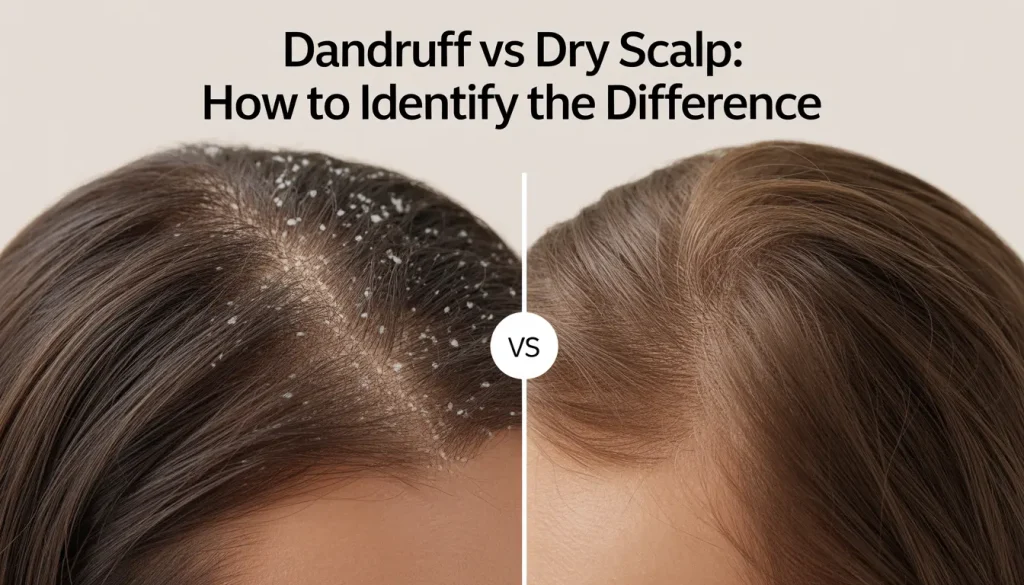
Dandruff vs Dry Scalp: How to Identify the Difference
Many people in Pakistan struggle with itchy, flaky scalps but often confuse dandruff with a dry scalp. While both conditions lead to visible flakes, the causes, symptoms, and treatments differ significantly. Understanding these differences is key to effective hair care and scalp health. In this article, we’ll guide you through the signs of dandruff and dry scalp, common causes, and how to treat each condition properly.
What is Dandruff?
Dandruff is a common scalp condition that affects people worldwide, including Pakistan, due to factors like climate, pollution, and diet. It occurs when the scalp produces excess skin cells, which then shed in visible flakes. Unlike a dry scalp, dandruff is often accompanied by oily patches, irritation, and sometimes redness.
One of the main causes of dandruff is the overgrowth of a yeast-like fungus called Malassezia, which feeds on the oils produced by your scalp. Hormonal changes, stress, and poor hair hygiene can also contribute to its development. In Pakistan, seasonal changes such as cold winters or hot summers can exacerbate dandruff.
Signs of Dandruff
Here are common signs that indicate you might be dealing with dandruff rather than a dry scalp:
- Oily or greasy scalp patches
- White or yellow flakes that stick to the scalp and hair
- Itching that can be persistent
- Red or inflamed areas in severe cases
If you notice these symptoms, using a medicated anti-dandruff shampoo can help restore scalp balance. For personalized advice, you can consult a professional dermatologist, like those at Dr. Attiya Skin Matters.
What is a Dry Scalp?
A dry scalp occurs when the skin on your head lacks moisture. Unlike dandruff, it’s not caused by fungal infections but by environmental factors, harsh shampoos, or insufficient hydration. A dry scalp often leads to smaller, finer flakes that are less oily and more easily brushed away.
In Pakistan, exposure to harsh sun, pollution, and frequent use of chemical hair products can strip your scalp of natural oils, resulting in dryness. People with naturally curly or coarse hair may also experience dryness more frequently, as oils have a harder time traveling down the hair shaft.
Signs of a Dry Scalp
Recognizing a dry scalp is easier if you pay attention to these signs:
- Small, white flakes that fall off easily
- Tight or itchy feeling on the scalp
- Scalp feels rough or irritated
- Hair may appear dull or frizzy
A dry scalp can often be treated by using moisturizing shampoos, natural oils like coconut or argan oil, and avoiding harsh chemical treatments. Learn more about maintaining scalp hydration in our guide on best hair care tips for Pakistan’s climate.
Key Differences Between Dandruff and Dry Scalp
While both conditions may look similar, understanding the differences helps in choosing the right treatment:
| Feature | Dandruff | Dry Scalp |
| Flake Size | Larger, greasy or yellowish | Smaller, white, powdery |
| Scalp Condition | Oily, sometimes red | Dry, tight, irritated |
| Causes | Fungal overgrowth, stress, and oil imbalance | Lack of moisture, harsh products, and environment |
| Treatment | Anti-dandruff shampoos, medicated treatments | Moisturizing shampoos, oils, gentle hair care |
Common Triggers in Pakistan
Several factors unique to Pakistan can trigger dandruff or a dry scalp:
- Climate: Hot summers increase oil production, which can worsen dandruff. Cold winters dry out the scalp, causing flakiness.
- Pollution: Dust and airborne particles can irritate the scalp, leading to dryness or dandruff.
- Hair Products: Excessive use of chemical-laden shampoos, hair dyes, and styling products can strip natural oils, worsening both conditions.
- Diet: Lack of essential vitamins like zinc, vitamin B, and omega-3 fatty acids can impact scalp health.
How to Treat Dandruff
Treating dandruff effectively requires targeted care:
- Use anti-dandruff shampoos containing ketoconazole, selenium sulfide, or zinc pyrithione.
- Avoid scratching your scalp, as this can worsen irritation.
- Wash your hair regularly to control oil buildup.
- Maintain a balanced diet with foods rich in vitamins and minerals.
For severe dandruff cases, professional consultation is recommended to explore medicated treatments or prescription shampoos.
How to Treat a Dry Scalp
A dry scalp needs hydration and gentle care:
- Switch to moisturizing or sulfate-free shampoos.
- Apply natural oils like coconut, olive, or argan oil to restore moisture.
- Limit the use of hot water when washing hair, as it strips natural oils.
- Avoid frequent heat styling, chemical treatments, and harsh brushes.
Regular scalp massages can also improve blood circulation and promote oil distribution naturally.
When to See a Dermatologist
Sometimes, persistent flakes may indicate a more serious scalp condition such as psoriasis or eczema. If your scalp shows redness, severe itching, or bleeding, it’s best to consult a dermatologist. Experts at Dr. Attiya Skin Matters can provide accurate diagnosis and tailored treatment plans.
Conclusion
Understanding whether you have dandruff or a dry scalp is essential for effective hair care. While dandruff is linked to fungal overgrowth and oily scalp, a dry scalp results from a lack of moisture and environmental factors. Proper diagnosis, consistent hair care, and professional advice can keep your scalp healthy, reduce flakiness, and restore confidence in your hair’s appearance.
By adopting the right shampoos, oils, and professional guidance, you can enjoy a healthy, itch-free scalp all year round. Remember, the key is to treat the cause, not just the flakes.
Explore More:


