
Thread Lift vs Traditional Facelift: A Comprehensive Guide
As people age, the appearance of the skin changes, particularly in the face. Wrinkles, sagging, and loss of firmness become common concerns. To combat these signs of aging, various cosmetic procedures are available, two of the most popular being the thread lift and the traditional facelift. While both procedures aim to rejuvenate the face, they differ significantly in technique, recovery time, and results.
In this blog post, we will explore the differences between a thread lift and a traditional facelift to help you make an informed decision.
What is a Thread Lift?
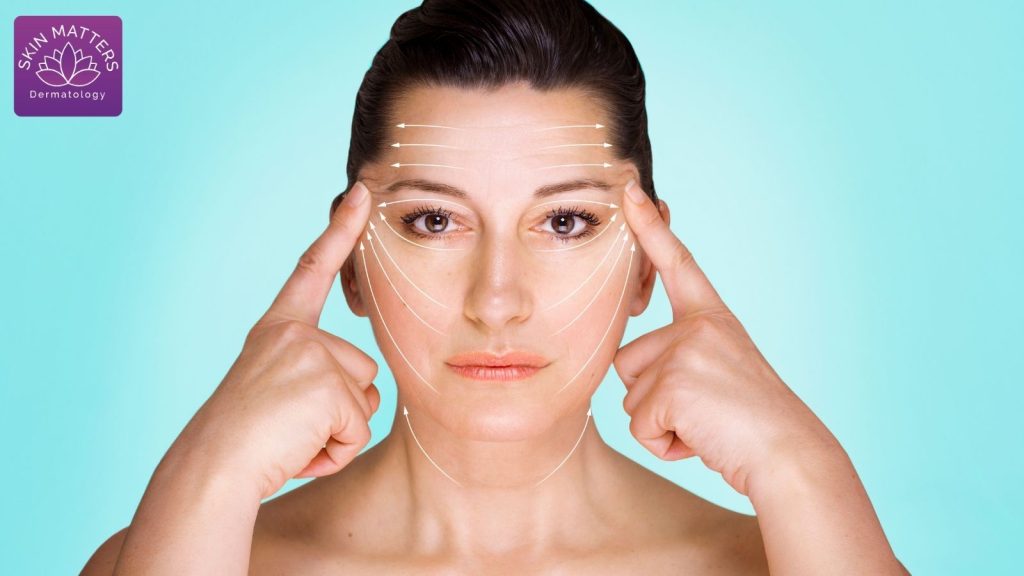
A thread lift is a minimally invasive cosmetic procedure designed to lift and tighten sagging skin on the face using temporary sutures. Instead of removing loose skin surgically, a thread lift suspends it by stitching portions of it. This is accomplished through the insertion of thin, dissolvable threads beneath the skin. These threads gently pull the skin into a more youthful position and stimulate the body’s natural production of collagen.
Key Benefits of a Thread Lift:
- Minimally Invasive: Requires only local anesthesia and no extensive incisions.
- Short Recovery Time: Patients can usually return to their regular activities within a couple of days.
- Natural-Looking Results: Provides a subtle lift without the drastic changes of traditional surgery.
- Collagen Stimulation: The procedure helps to boost collagen production, leading to gradual improvements in skin tone and firmness.
What is a Traditional Facelift?
A traditional facelift, also known as a rhytidectomy, is a more comprehensive surgical procedure. During a facelift, excess skin is removed, and deeper layers of the face, including muscles, are tightened. The remaining skin is repositioned to create a smoother, more youthful appearance. A facelift can address more severe signs of aging such as deep wrinkles, jowls, and significant sagging.
Key Benefits of a Traditional Facelift:
- Comprehensive Solution: Provides dramatic and long-lasting results for those with severe signs of aging.
- Addresses Multiple Areas: A facelift can treat deep wrinkles, sagging jowls, and loose skin in the neck and lower face.
- Long-Lasting Results: While a facelift doesn’t stop the aging process, the results can last for 10-15 years.
Thread Lift vs Traditional Facelift: A Detailed Comparison
| Aspect | Thread Lift | Traditional Facelift |
| Procedure Type | Minimally invasive | Surgical |
| Anesthesia | Local anesthesia | General anesthesia |
| Incisions | Small needle punctures | Long incisions near the hairline and behind the ears |
| Recovery Time | 2-3 days | 2-3 weeks |
| Results | Subtle, natural-looking results | Dramatic, long-lasting results |
| Effectiveness | Suitable for mild to moderate sagging | Best for significant aging signs |
| Collagen Stimulation | Promotes collagen production | No collagen stimulation |
| Duration of Results | 1-3 years | 10-15 years |
| Downtime | Minimal downtime | Significant downtime |
| Cost | Less expensive | More expensive |
| Risks and Side Effects | Bruising, swelling, risk of infection | Scarring, risk of anesthesia complications, longer recovery time |
| Suitability | Younger patients, mild aging signs | Older patients, significant aging signs |
Factors to Consider When Choosing Between a Thread Lift and a Facelift
- Severity of Aging: If you’re dealing with mild to moderate sagging, a thread lift might be the ideal solution. For more advanced signs of aging, such as deep wrinkles and pronounced jowls, a traditional facelift would provide more comprehensive results.
- Desired Results: A thread lift offers subtle, natural-looking results and is better suited for individuals seeking a slight lift. In contrast, a facelift provides more dramatic and long-lasting outcomes.
- Recovery Time: A thread lift requires minimal downtime. Most patients can return to work or normal activities within a few days. However, a traditional facelift involves a much longer recovery period, typically 2-3 weeks, with full results visible after swelling and bruising subside.
- Cost: The cost of a thread lift is significantly lower than that of a traditional facelift. If budget is a concern, this could be a deciding factor. On average, thread lifts cost between $2,000 and $4,000, while traditional facelifts can range from $8,000 to $15,000 or more.
- Longevity of Results: While a thread lift can offer results that last up to three years, a traditional facelift provides results that can last over a decade. If you’re looking for a longer-term solution to aging, a facelift might be a better choice.
Who is a Good Candidate for a Thread Lift?
Thread lifts are ideal for people in their late 30s to early 50s who are just beginning to experience sagging in the face. It’s a great option for individuals who:
- Want a minimally invasive solution.
- Do not have extensive sagging or severe wrinkles.
- Are not ready for the commitment of a full facelift.
Who is a Good Candidate for a Traditional Facelift?
A traditional facelift is generally suited for individuals in their late 40s to 60s who have more significant signs of aging, such as:
- Deep facial wrinkles.
- Severe skin sagging, particularly around the jawline.
- Loose skin in the neck area.
- Individuals looking for more dramatic, long-term results.
Combination Approaches
Many patients are now opting for a combination of procedures to achieve their desired outcomes. For example, some may choose to combine a thread lift with non-invasive treatments like Botox or fillers for enhanced results. In other cases, a thread lift can be used as a complement to a traditional facelift, helping to maintain the results of the surgery over time by stimulating collagen production.
Final Thoughts
Both thread lifts and traditional facelifts have their advantages, depending on the individual’s age, skin condition, and aesthetic goals. A thread lift is a minimally invasive option that offers natural results with minimal recovery time, making it ideal for those with mild aging signs. On the other hand, a traditional facelift is a more comprehensive solution, perfect for those who require significant facial rejuvenation and are prepared for the longer recovery period.
Before making a decision, it’s essential to consult with a qualified surgeon who can assess your needs and recommend the most appropriate procedure. Whether you’re looking for a quick, non-surgical lift or a more extensive transformation, both options can help you achieve a more youthful appearance.


